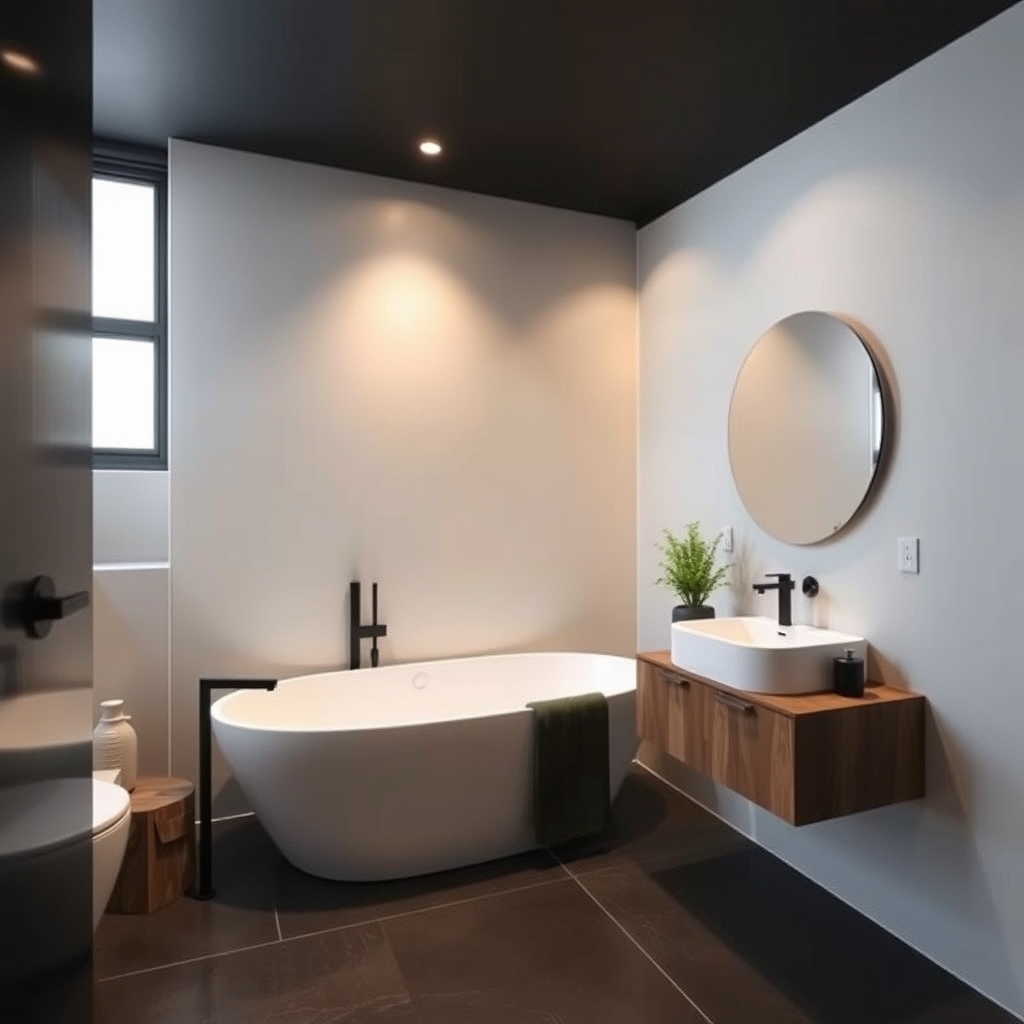
Ultimate Guide to Bathroom Renovation Sydney: Transform Your Space with Style
Learn more about Bathroom Renovation Sydney and how it applies to your specific needs.
Embarking on a journey is an exciting opportunity to enhance both the functionality and aesthetic appeal of one of the most important rooms in your home. Whether you are looking to increase property value, improve energy efficiency, or simply create a personal sanctuary, a well-planned renovation can deliver remarkable results. Sydney’s unique blend of modern architecture and heritage homes offers diverse possibilities, but it also presents specific challenges such as space constraints, moisture management, and council regulations. This comprehensive guide will walk you through every step of the process, from initial planning and budgeting to selecting materials and hiring professionals. By understanding the nuances of a bathroom renovation in Sydney, you can avoid common pitfalls and achieve a stunning outcome that stands the test of time.
Learn more about Bathroom Renovator and how it applies to your specific needs.
Before diving into design choices, it is essential to assess your current bathroom’s condition and identify your primary goals. Are you aiming for a luxurious spa-like retreat, a family-friendly wet room, or a minimalist powder room? Each vision requires different layouts, fixtures, and finishes. Start by measuring the space accurately and noting plumbing locations, ventilation, and natural light sources. This foundational knowledge will guide your decisions and help you communicate effectively with contractors. Remember that a successful understands the importance of balancing aesthetics with practicality, ensuring that every element serves a purpose while contributing to the overall design.
Planning and Budgeting for Your Bathroom Renovation
Creating a realistic budget is the cornerstone of any successful renovation project. In Sydney, costs can vary widely depending on the scope of work, materials selected, and the complexity of the installation. On average, a mid-range bathroom renovation can range from $15,000 to $35,000, while high-end remodels with premium fixtures and custom cabinetry may exceed $50,000. To avoid overspending, list all potential expenses including demolition, plumbing, electrical work, tiling, waterproofing, fixtures, and labor. It is wise to allocate an additional 10-20% contingency fund for unforeseen issues such as hidden water damage or structural repairs.
Once you have a budget, create a timeline that accounts for each phase of the renovation. A typical bathroom project takes between three to six weeks, but delays can occur due to material availability or permit approvals. Engage with a reputable specialist early to get accurate quotes and realistic schedules. They can also advise on which upgrades offer the best return on investment, such as energy-efficient lighting, water-saving fixtures, and durable flooring. Planning also involves selecting a cohesive color palette and style. Neutral tones like soft greys, whites, and warm beiges remain popular in Sydney homes, as they create a timeless look that appeals to future buyers.
Design Trends for Sydney Bathrooms in 2025
Staying updated with current design trends can inspire your renovation and ensure your bathroom feels contemporary. In 2025, Sydney homeowners are embracing organic materials, bold textures, and smart technology. Natural stone, timber accents, and matte black fixtures are trending, adding warmth and sophistication. Large-format tiles with minimal grout lines create a seamless, easy-to-clean surface, while statement mirrors and sculptural vanity units become focal points. Another popular trend is the wet room concept, where the shower area is open and level with the rest of the floor, enhancing accessibility and visual flow.
Color trends are shifting towards earthy greens, terracotta, and deep blues, often paired with brass or gold hardware for a touch of luxury. Underfloor heating is becoming standard in Sydney bathrooms, providing comfort during cooler months. Additionally, smart mirrors with integrated lighting and anti-fog features, as well as digital shower controls, are gaining traction. When planning your design, consider how these elements can work together harmoniously. A with experience in modern trends can help you select products that are both stylish and functional, ensuring your renovation stays relevant for years.
Choosing the Right Materials and Fixtures
The durability and appearance of your bathroom largely depend on the materials you choose. For floors and walls, porcelain and ceramic tiles are popular due to their water resistance, low maintenance, and wide variety of designs. Natural stone like marble or travertine offers elegance but requires sealing and regular care. For countertops, engineered quartz is a practical choice as it resists stains and scratches, while solid surface materials provide seamless integration. Vanities should be made from moisture-resistant materials such as plywood or marine-grade MDF, with soft-close hinges and ample storage.
Learn more about House Renovations and how it applies to your specific needs.
Fixtures including taps, showerheads, and toilets should combine style with water efficiency. Look for WELS-rated products to reduce water consumption and lower utility bills. Mixer taps with ceramic disc cartridges offer longevity, while dual-flush toilets are environmentally friendly. Bathtubs can range from freestanding soaking tubs to space-saving corner models, depending on your layout. When selecting a shower, consider options like rain showers, handheld units, or body jets for a personalized experience. Always purchase from reputable suppliers and check warranties. A professional can recommend reliable brands and coordinate installation to prevent future issues.
Hiring Professionals and Managing the Renovation
While some homeowners attempt DIY renovations, hiring licensed professionals is strongly recommended for bathroom projects, especially in Sydney where compliance with building codes and waterproofing standards is mandatory. A qualified builder or renovator will manage the entire process, from obtaining necessary permits to coordinating tradespeople such as plumbers, electricians, and tilers. When vetting contractors, ask for references, review past projects, and ensure they have public liability insurance and appropriate licenses. Obtain at least three detailed quotes and compare not only prices but also timelines and scope of work.
Clear communication is key to a smooth renovation. Establish a point of contact and agree on a schedule for progress updates. Before work begins, finalize all design decisions and material selections to avoid delays. During the renovation, be prepared for some disruption, but a professional team will minimize dust and noise and maintain a clean worksite. If you are considering a larger home transformation, integrating your bathroom upgrade with other can streamline logistics and potentially reduce costs. Remember that a successful project relies on trust and collaboration between you and your contractor.
Waterproofing and Compliance: Non-Negotiable Steps
In Sydney, waterproofing is a critical aspect of bathroom renovation that must meet Australian standards (AS 3740). Proper waterproofing prevents water damage, mold growth, and structural decay. It involves applying a liquid membrane or sheet membrane to wet areas such as showers, baths, and around basins. The process must be carried out by a licensed waterproofing specialist and inspected before tiling begins. Failure to comply can lead to costly repairs and legal issues when selling the property.
Beyond waterproofing, ensure that all electrical work complies with safety regulations, including the installation of exhaust fans to control humidity. Ventilation is essential to prevent condensation and maintain air quality. Windows, if present, should be operable, or a high-capacity exhaust fan should be installed. Additionally, consider accessibility features such as grab bars, non-slip flooring, and a walk-in shower if you plan to age in place or accommodate family members with mobility challenges. A knowledgeable will ensure that all compliance requirements are met, giving you peace of mind.
Maximizing Small Bathroom Spaces
Many Sydney homes, especially apartments and terraces, have compact bathrooms. Maximizing space requires clever design solutions. Use wall-mounted vanities and toilets to create an illusion of floor space, and install recessed shelving in shower niches or above the toilet. Large mirrors reflect light and make the room feel bigger. Sliding doors for showers or pocket doors for entryways save valuable square footage. Light colors and consistent flooring throughout can also visually expand the area.
Storage is often a challenge in small bathrooms. Consider vertical storage with tall cabinets or open shelving, and use baskets or organizers to keep essentials tidy. Multi-functional fixtures, such as a combination washer-dryer or a vanity with integrated towel racks, can further optimize space. If your bathroom lacks natural light, incorporate layered lighting: ambient, task, and accent. LED strip lights under vanities or around mirrors add a modern touch. With careful planning, even the smallest bathroom can feel spacious and luxurious.
FAQs
How long does a typical bathroom renovation in Sydney take?
Most bathroom renovations take between three to six weeks, depending on the complexity, size, and whether structural changes are involved. Delays can occur if materials are backordered or if unexpected issues like water damage are discovered. A detailed timeline from your contractor will help set realistic expectations.
Do I need council approval for a bathroom renovation in Sydney?
Generally, cosmetic renovations like replacing tiles, fixtures, and vanities do not require council approval. However, if you are altering plumbing, electrical systems, or changing the layout (e.g., moving walls or windows), you may need a development application or complying development certificate. Always check with your local council or hire a professional who can handle permits.
What is the most expensive part of a bathroom renovation?
Labor and waterproofing typically account for the largest portion of the budget. Tiling, plumbing, and electrical work also contribute significantly. High-end fixtures like freestanding bathtubs, custom cabinetry, and premium tiles can further increase costs. Setting a clear budget and prioritizing essential upgrades can help manage expenses.
How can I make my bathroom renovation more eco-friendly?
Choose water-efficient fixtures with high WELS ratings, install LED lighting, and use sustainable materials such as recycled glass tiles or bamboo cabinetry. Proper insulation and ventilation also reduce energy consumption. Additionally, consider low-VOC paints and adhesives to improve indoor air quality. Many Sydney renovators now offer green building options.