What Changes When You Hire a Desentupidora in São Miguel Paulista
I still remember the first time I had to call a desentupidora São Miguel Paulista São Paulo SP for a backed-up kitchen drain. I had spent two hours with a plunger and a bottle of caustic soda, and the water was still rising. The truth is, once you have lived through a few of these emergencies, you stop treating a clog as a minor annoyance and start treating it as a plumbing event that needs a professional before it becomes a flood.
This is not a beginner’s introduction to drain cleaning. It is what I do differently now that I have seen the inside of enough pipes in this neighborhood to know when a problem is cosmetic and when it is structural. If you already know the basics, the value here is in the routine, the questions you ask before the truck arrives, and the signs that tell you to stop pouring chemicals and pick up the phone instead.
Why experience changes how you read a clog
A beginner sees a slow drain and reaches for a plunger. An experienced user reads the pattern. If only one fixture is slow, the blockage is probably local, sitting in the trap or the branch line right behind the wall. If the toilet gurgles when the sink drains, or water backs up in the shower when you run the washing machine, the obstruction is deeper in the main line and no amount of plunging will fix it.
In São Miguel Paulista, the housing stock ranges from older houses with clay and cast-iron pipes to newer apartment blocks with PVC. That matters because the same symptom points to different causes depending on the building. A 1970s house with tree roots nearby is a very different job from a 2010s condominium where grease has narrowed the kitchen line. Reading the building before reading the drain is the first habit that separates a veteran from a novice.
I also stopped trusting the clock. A clog that appears suddenly at night usually has a different cause than one that builds over weeks. Sudden blockages tend to be foreign objects or a collapsed section; gradual ones are almost always accumulation. The way you describe that timeline to the technician shortens the diagnosis and often the bill.
What a professional visit actually involves
When I call a desentupidora São Miguel Paulista, I am not just buying a snake down a pipe. A proper visit starts with questions: where does it back up, when did it start, has anyone used chemicals, and is there a septic tank or a direct connection to the public network. Those answers decide whether the crew brings a manual auger, an electric rotor, or a hydrojetting truck.
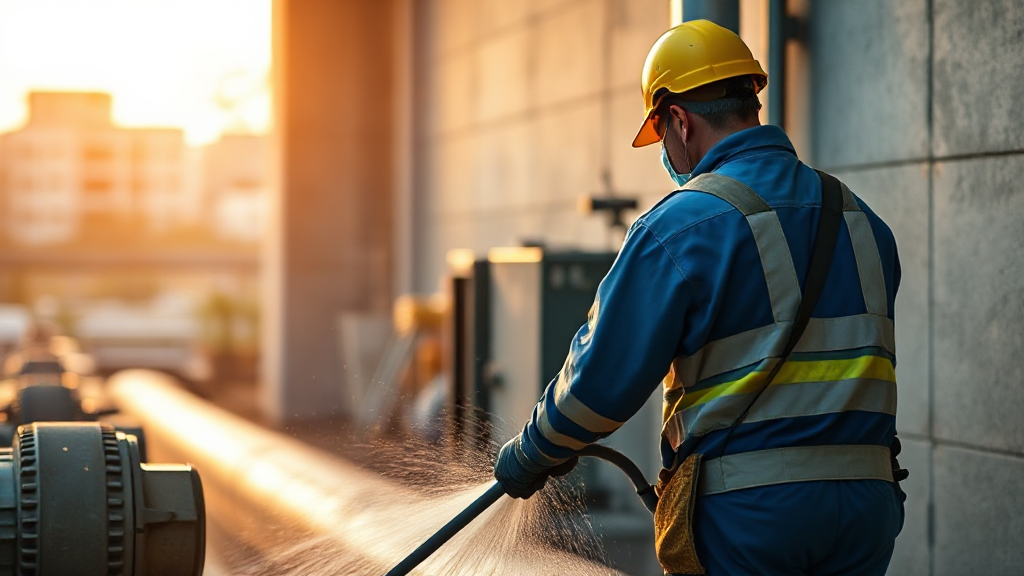
Hydrojetting is the tool most beginners have never seen. Instead of drilling a hole through the clog, it scours the full inner diameter of the pipe with high-pressure water. That matters for grease and scale because it removes the film that causes the clog to return. A cable machine clears the passage; a jet cleans the wall. For recurring kitchen or laundry blockages, the difference shows up in how long the fix lasts.
The visit should end with a test, not just a claim. I always ask the technician to run water through every fixture on the affected line while I watch, and to tell me what the camera or the cable felt on the way out. A blockage caused by roots, a broken joint, or a sagging section will come back, and knowing that on day one lets you plan the repair instead of repeating the emergency.
The tools that separate a routine call from a real intervention
Most residential calls resolve with three levels of equipment. The first is a manual auger for traps and short branches. The second is an electric drain snake for longer runs and tougher obstructions. The third is the hydrojetter, which needs a truck, a water tank, and a technician who knows how much pressure the pipe can take.
- Manual auger: sinks, showers, and short trap arms; low risk, low reach.
- Electric snake: branch lines and main stacks; good for roots and solid objects.
- Hydrojetting: grease, scale, and sediment in larger pipes; restores full flow.
The mistake I see most often is a homeowner who buys a cheap hand auger, breaks it inside the trap, and turns a simple clog into a retrieval job. A tool that is too small for the pipe is worse than no tool at all. If the cable meets resistance and will not advance, stop; that is the point where experience says call rather than force.
Costs, timing, and what actually drives the price
Price in this trade is driven by access, not by the label on the truck. A ground-floor cleanout near the street is a short job. A fourth-floor apartment with no accessible cleanout, a concealed pipe behind finished walls, or a backyard full of pavers can triple the time. When you ask for a quote, describe the access, not just the symptom.
Timing matters too. Emergency night and weekend calls carry a premium because the crew is on standby. If the blockage is slow but not overflowing, scheduling a weekday visit is almost always cheaper and gives the technician more time to diagnose properly. I keep a simple rule: if water is rising toward the floor, it is an emergency; if it is draining slowly, it is a scheduled job.
| Scenario | Typical approach | What drives cost |
|---|---|---|
| Single slow sink | Manual or electric snake | Access to trap |
| Recurring kitchen backup | Hydrojetting | Pipe length and grease volume |
| Multiple fixtures backing up | Main line clearing | Cleanout location and depth |
Preventive habits that keep the line clear
After the first emergency, I changed how the house uses its drains. Grease goes into a jar, not the sink. Paper goes into the bin, not the toilet. Hair gets caught by a screen before it reaches the trap. None of this is glamorous, but it is the difference between one call every few years and one every few months.
I also mark the cleanout caps so nobody buries them under storage. When a technician arrives and the cleanout is accessible, the job starts in minutes instead of after twenty minutes of moving boxes. For houses with septic systems, I schedule a tank inspection on a fixed interval rather than waiting for a smell. Prevention is cheaper than any emergency call, and it is the only part of the process you fully control.
How to choose the right provider in the neighborhood
Look for a company that answers the phone with a real person, asks diagnostic questions before quoting, and can explain which machine will be used and why. A provider that promises a fixed price without seeing the access is guessing. A provider that arrives without testing the line afterward is leaving you to discover the failure on your own.
Ask whether they handle septic tanks and hydrojetting in-house or subcontract. Ask for the technician’s name and a contact number for follow-up. In a dense district like this, reputation travels fast, and a crew that works regularly in the area will already know the common pipe layouts and the buildings where roots are a known problem. That local familiarity is worth more than a slightly lower quote from a company driving in from far away.
A practical closing routine for the next blockage
When the next clog appears, do this in order. Stop using water on that line. Do not pour more chemicals if a previous attempt already failed. Check whether other fixtures are affected, because that tells you if it is local or main line. Then call a desentupidora em São Miguel Paulista São Paulo SP and describe the pattern, the timeline, and the access. Watch the test at the end, ask what the cable or camera found, and write down the date.
That last step is the habit that matters most. A record of when the line was last cleared, what was found, and which method was used turns the next call from a panic into a decision. The experienced user is not the one who never has a clog; it is the one who knows exactly what to do when it happens and who to call before the water reaches the floor.