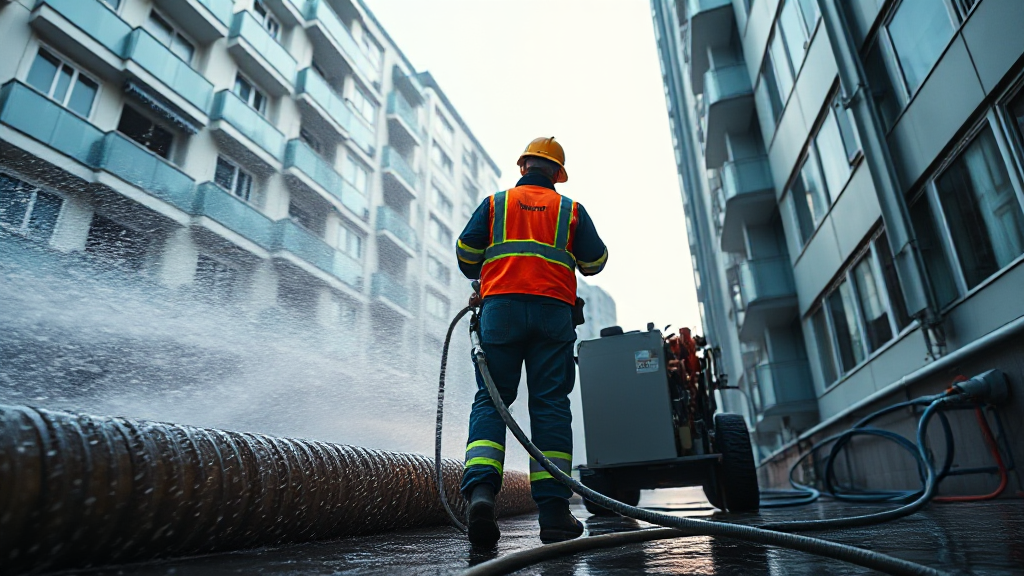
What Hydrojetting Actually Sounds Like in a Vila Maria Building
When a suction truck pulls into a Vila Maria courtyard, the first thing residents notice is not the engine but a low, pulsing hum that seems to come from the ground itself. That sound is the vacuum pump idling, and it is your early warning that a drain-cleaning crew is about to work. If you have called a desentupidora Vila Medeiros São Paulo SP, knowing what comes next helps you warn neighbors and plan your day.
This walkthrough describes the sensory experience of a professional drain-cleaning job, phase by phase, so that residents of a building in Vila Maria know what to expect. It is written for the person who hears the noise first and has to explain it to everyone else.
Phase One: The Truck Arrives and the Pump Idles
The suction truck is the loudest single object in the process, but it is not loud in the way a drill is loud. Its engine sits at a steady rumble, and the vacuum pump adds a rhythmic throb that carries through walls and windows. In a courtyard building, that throb bounces off concrete and reaches apartments on the opposite side.
Residents often describe it as a refrigerator compressor amplified many times over. The pitch is low enough that you feel it in your chest before you consciously hear it. This is the moment to close windows on the courtyard side if you are sensitive to noise, because the pump will run intermittently for the rest of the job.
The crew typically spends the first ten to fifteen minutes positioning hoses and setting up access points. During this time the pump may idle, stop, and restart as the operator tests pressure. The intermittent pattern is normal and does not mean something is wrong.
Phase Two: Suction Begins and the Line Starts to Speak
Once the hose is seated in the cleanout or drain, the suction engages. This is when the job becomes audible in a new way: a wet, gulping sound travels up the pipe and into the courtyard. It is the sound of air and water being pulled through the line, and it changes pitch as the blockage moves.
If the blockage is soft, such as grease or soap residue, the suction may clear it in short bursts. You will hear a series of quick pulls followed by pauses. If the blockage is hard, such as roots or scale, the sound becomes a sustained strain, and the operator may switch to hydrojetting.
During this phase, water may back up briefly in floor drains or toilets inside the building. A brief gurgle from a nearby drain is expected during suction. It usually stops once the line clears.
Phase Three: Hydrojetting and the High-Pressure Roar
Hydrojetting is the phase most residents remember. A high-pressure water jet is fed into the pipe, and the sound changes from a wet gulp to a focused, hissing roar. It is similar to a pressure washer but deeper, because the noise travels through the pipe walls and radiates into the building structure.
Inside apartments, hydrojetting often sounds like a distant waterfall mixed with a mechanical whine. The intensity depends on the pipe material and how much of the line is being cleaned. Cast iron pipes transmit more vibration than PVC, so older buildings in Vila Maria may feel the sound more strongly.
The crew usually runs the jet in passes, pulling it back and pushing it forward. Each pass produces a surge of noise followed by a lull. Expect the loudest moments when the jet first contacts the blockage. After that, the sound settles into a steady wash as the line clears.
If you have scheduled a desentupidora Vila Medeiros, ask the crew how long the hydrojetting phase will last so you can give neighbors a realistic window.
Phase Four: The Quiet Check and the Final Flush
After hydrojetting, the crew often performs a camera inspection or a flush test. This is the quietest phase. The pump may shut off entirely, and the only sounds are footsteps, hose movement, and water running through the line.
Do not mistake the quiet for the end of the job. The crew is verifying that the pipe is clear and that no new obstruction remains. If they find a problem, they may repeat a short suction or jetting pass, which brings the noise back briefly.
The final flush is usually a steady rush of water that lasts a minute or two. Residents sometimes hear this as a distant waterfall in the walls. The final flush is the signal that the active work is nearly done.
Phase Five: Packing Up and the Sounds That Linger
Packing up produces its own soundtrack: hoses being coiled, metal couplings clinking, and the truck engine revving as it prepares to leave. These sounds are sharper and shorter than the pump, and they usually last ten to twenty minutes.
After the truck leaves, some residents notice a residual hum or vibration in the pipes. This is normal and fades as water pressure equalizes. If you hear a persistent gurgle or smell after the crew leaves, report it to the building manager rather than assuming it will settle.
For buildings that need follow-up work, such as a desentupidora em Vila Medeiros São Paulo SP, the crew may schedule a second visit. In that case, the same sound sequence will repeat, so neighbors already know what to expect.
How to Warn Neighbors Before the Crew Arrives
A little preparation makes the noise easier to tolerate. The goal is not to eliminate sound but to remove surprise, because unexpected noise is what generates complaints.
- Post a notice 24 hours ahead in the lobby or elevator stating the date, time window, and expected duration of the work.
- Mention the loudest phase so residents know when to expect the hydrojetting roar rather than being caught off guard.
- Offer a contact person for questions, usually the building manager or the crew supervisor.
- Suggest earplugs or closed windows for residents who work from home or have small children.
- Ask the crew for a realistic end time and share it, because an accurate window reduces anxiety.
If the building has a WhatsApp group, a short voice message from the manager explaining the phases can be more effective than a written notice. People tolerate noise better when they understand what each sound means.
Frequently Asked Questions
How loud is hydrojetting inside an apartment?
It is comparable to a pressure washer heard through a wall: loud enough to interrupt conversation but not loud enough to damage hearing. The vibration through pipes is often more noticeable than the sound itself.
How long does the noisy part of the job last?
The active suction and hydrojetting phases usually last between one and three hours, depending on the blockage and pipe length. Setup and pack-up add another thirty to forty-five minutes.
Can I stay in my apartment during the work?
Yes, unless the crew asks you to avoid using water in a specific bathroom or kitchen. The noise is inconvenient but not hazardous, and the crew will tell you if a temporary water shutoff is needed.
What should I do if the noise is unbearable?
Speak to the building manager or the crew supervisor. In some cases the crew can adjust the order of work or pause during a scheduled quiet period, but the loud phases cannot be eliminated entirely.